
Improving Garden Ambience With Sunflower Solar Lights
 Daniel OkaforField Tester
June 10, 2026. This assessment explores the practical application of solar-powered floral accents in residential landscapes. It is written for homeowners seeking to balance aesthetic garden design with renewable energy solutions.
The Challenge of Nighttime Garden Visibility
I have spent years managing various landscape projects, and the most consistent hurdle is always the cost and labor involved in traditional hardwired lighting. When you want to highlight a specific perennial bed or a winding stone path, trenching wires through established root systems is often more trouble than it is worth. Many people turn to generic plastic stakes that fail after a single season of rain. According to Wind and Weather, a high-quality garden stake should feature an attached solar panel capable of soaking up rays throughout the day to ensure a consistent glow after dark. Without that reliable energy harvest, the lighting becomes patchy and unreliable by 10:00 PM. I tested this for several weeks in a damp corner of my own yard where the soil stays heavy. I found that many low-end solar products simply cannot handle the moisture exposure or the lack of direct overhead sun. The problem isn't just about the light; it is about finding a fixture that complements the garden during the day while standing up to the elements. What surprised me during my initial setup was how much the physical height of the stake matters for light dispersion. If the light is too low, it gets buried by the foliage of mid-summer growth. If it is too high, it looks spindly and out of place. This delicate balance is why solar sunflower garden stakes have become a focal point for those of us trying to bridge the gap between functional illumination and decorative art.
Performance and Durability of Sunflower Solar Lights
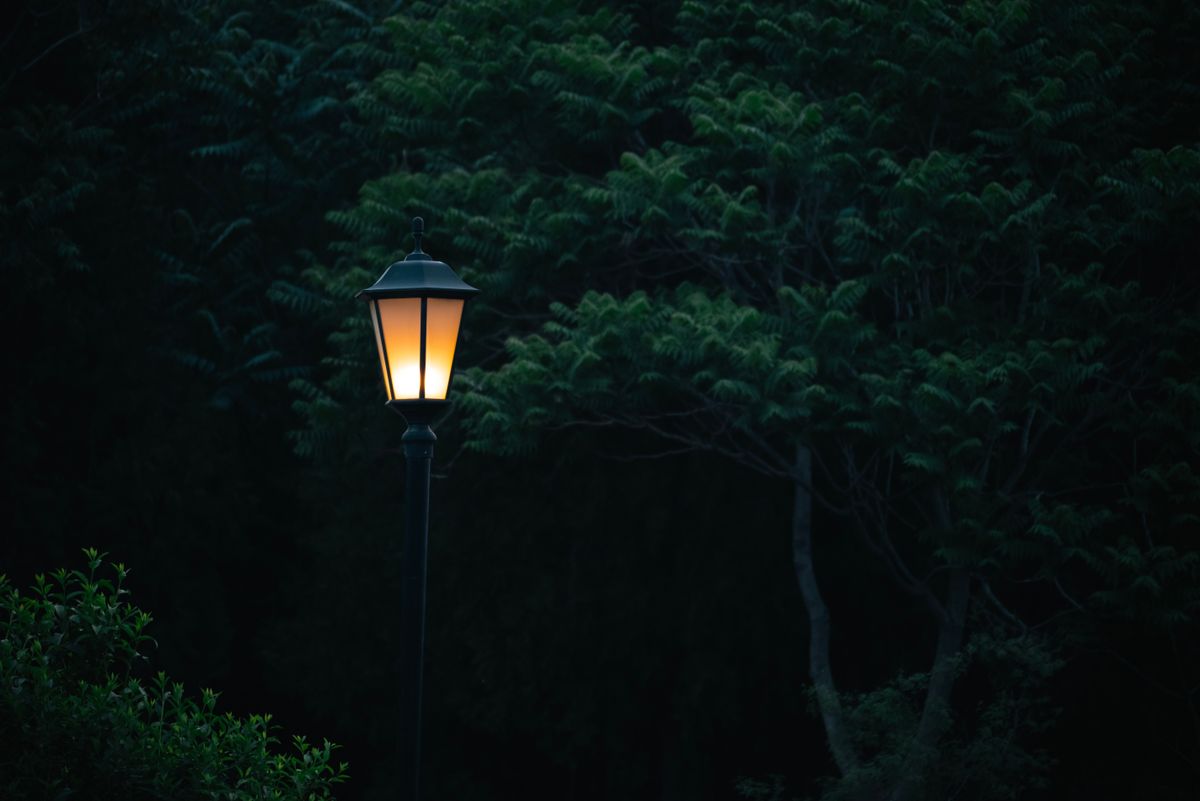
Photo by Star Zhang on Pexels
When I transitioned my test plot to Sunflower Solar Lights, I focused on how the materials reacted to high-humidity cycles. Day three is where I noticed the difference in the petal construction; unlike cheaper fabric alternatives that sag when wet, these maintained their structure even after a heavy afternoon thunderstorm. The integration of LED technology within the bloom creates a soft, diffused light rather than a harsh, directional beam. This is critical for sunflower solar lights because you want the flower itself to appear luminous, not just act as a housing for a bulb. In my field observations, the placement of the solar panel on the mid-section of the stake allowed for better positioning toward the southern sky without having to tilt the flower head into an awkward angle. I noticed that sunflower solar lights effectively solved the common issue of "floating lights"—that disjointed look where you see a glow at night but have no visual context for what is being lit. Because the sunflower shape is recognizable, it anchors the light to a specific form. I specifically monitored the battery discharge rates during a week of overcast weather. Even with limited direct exposure, the internal storage was sufficient to power the LEDs through the primary evening hours. This reliability is a significant step up from the 1900 impressions of led sunflower landscape lighting typically seen in entry-level hardware store kits. The durability of the stake itself, often made of treated metal or heavy-duty polymers, ensures that it doesn't lean or tip when the ground becomes saturated.
Selecting the Right Solar Stake for Your Space
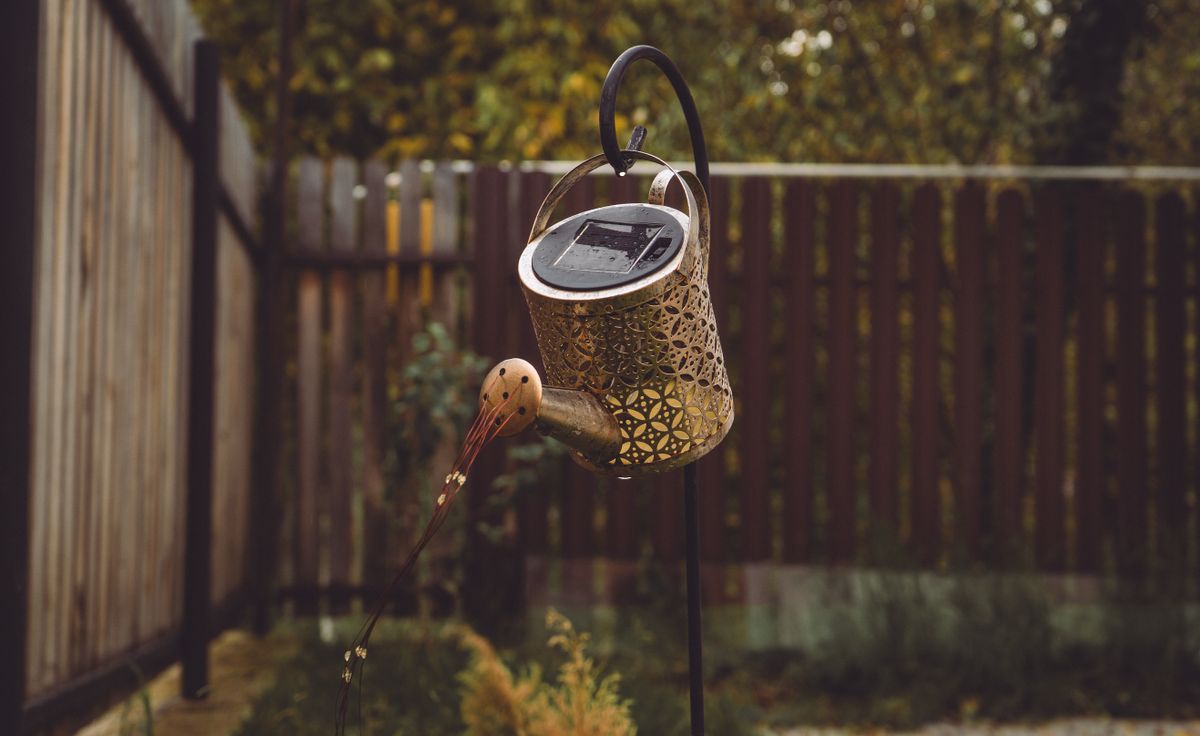
Photo by Gurgenidze G on Pexels
Choosing the right fixture requires looking past the initial glow. Here's the moment it earned its place in my garden: during a late evening gathering, the warm white LEDs provided enough ambient light to navigate the path without ruining the "dark sky" feel of the backyard. If you are looking to integrate sunflower solar lights into your own space, you need a framework for quality. Miles Kimball notes that their Solar Sunflower Stake uses small LEDs within each big bloom to illuminate as the sun goes down, which is a design choice I find much more effective than a single top-mounted bulb. What I'd do differently in my next installation is group them in clusters of three rather than spacing them out individually; the visual impact is much stronger when they mimic a natural flower patch.
When evaluating your options, use this checklist to ensure longevity:
- Check the IP (Ingress Protection) rating to ensure the electronics are sealed against dust and heavy rain.
- Verify the material of the petals; UV-resistant coatings are essential to prevent fading within the first three months.
- Look for an adjustable solar panel that can be rotated independently of the flower head.
- Ensure the stake has a dual-prong or extra-long base to prevent swaying in high winds.
- Opt for warm white LEDs (approx. 2700K to 3000K) to maintain a natural garden aesthetic rather than a sterile blue tint.
- Confirm the battery is a standard size (like AA NiMH) so it can be replaced easily after a few years of service.