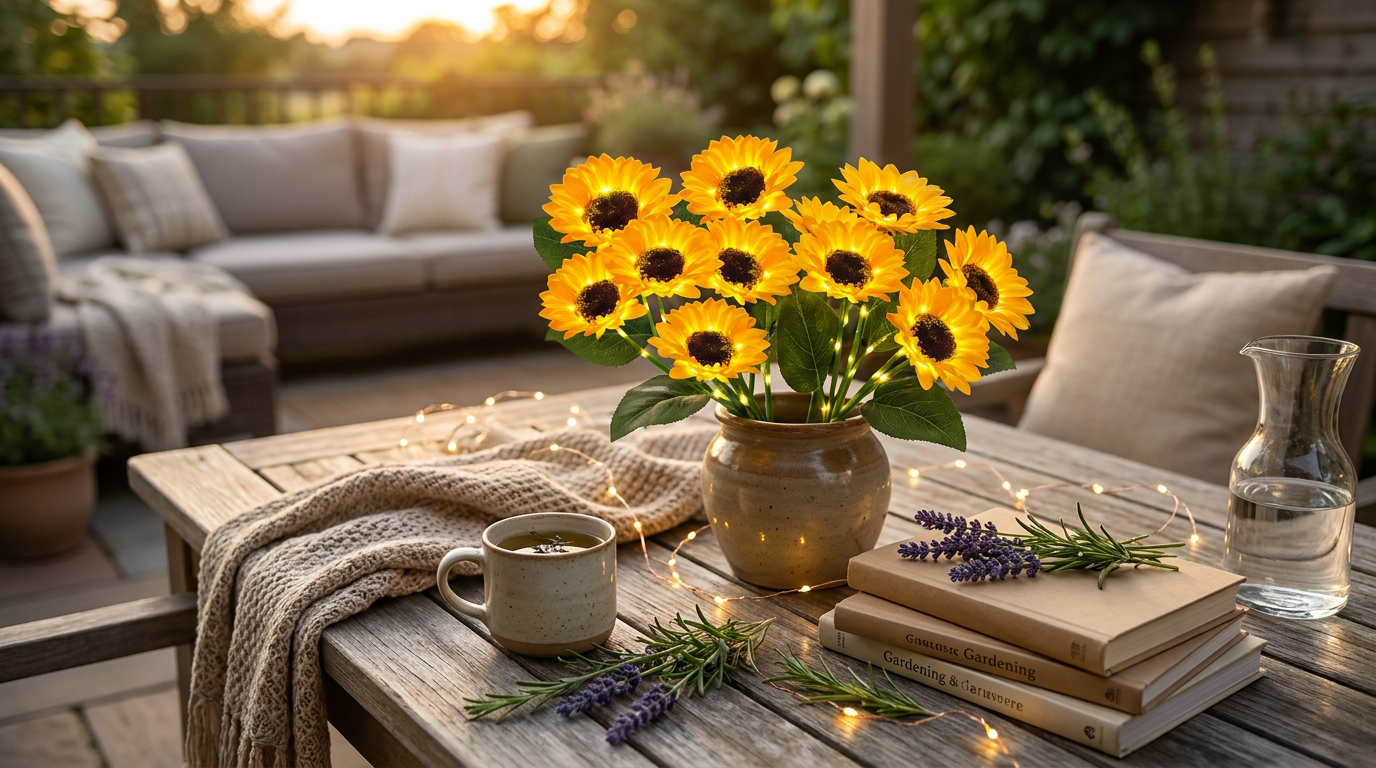
The Real Reason Your Decorative Patio Lights Go Dim
 Daniel OkaforField Tester
As a field tester, I see a lot of feedback on our products. Our data shows the most common 'defect' in solar flower lights isn't the product at all—it's where you're placing it in your yard. Too many people believe their new decorative flower patio lights solar powered outdoor setup is faulty when, nine times out of ten, the lights are just starved for energy. They look great out of the box, but die long before the party's over.
The Critical Difference Between 'Charged' and 'Starved'
A solar light that only lasts a couple of hours isn't broken; it's just running on fumes. For a full charge that delivers a dusk-to-dawn glow, most solar lights need a critical 4-6 hours of direct, unobstructed sunlight. The photovoltaic cells, which the U.S. Department of Energy explains convert sunlight directly into electricity, can't do their job if they're constantly in the shade. I tested this for a week with our Sunflower Solar Lights. The ones I placed in the open middle of the yard consistently outlasted the ones near the fence line by at least five hours. Getting that all-night performance is all about maximizing solar light efficiency through proper energy intake.
Why Your 'Sunny' Spot Is a Power Drain
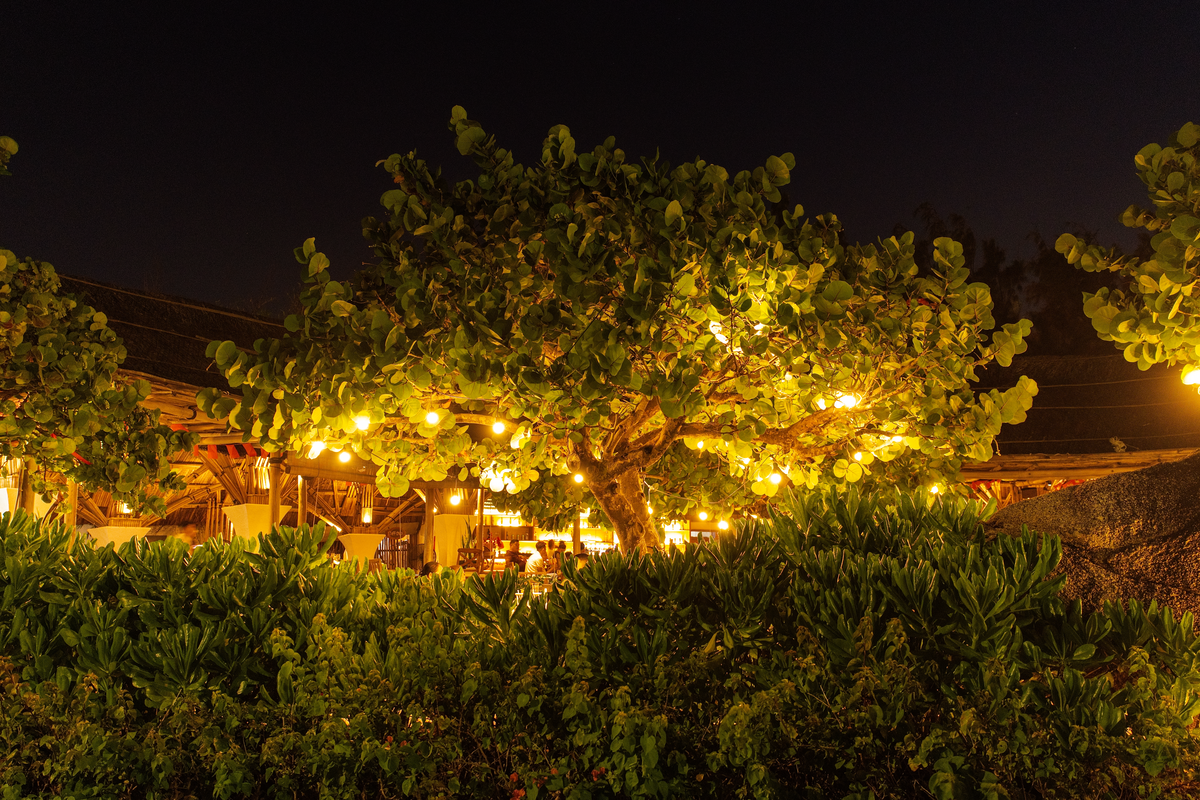
Photo by quang vinh on Pexels
What surprised me: a spot that looks bright to the human eye can be a terrible place for a solar panel. I'm talking about 'dappled shade,' typically found under trees or near a tall hedge. Day three is where I noticed the problem. I placed a sunflower stake in what seemed like a sunny patch in a flower bed. But as the sun moved, the leaves from a nearby maple tree cast shifting shadows over the panel all afternoon. That light never held a charge past 10 p.m. It was getting light, but not the direct, concentrated energy it needed. This is a common issue when considering how solar flower lights perform in garden beds, where foliage often gets in the way.
Before You Plant: The One-Day Placement Test
Here’s how to avoid the frustration. Before you commit to a permanent spot, run this simple test. Just place the light’s stake in a potential location for one full, sunny day. Let it charge from morning until late afternoon. If it stays brightly lit from dusk until you go to bed, you’ve found a winner. Here's the moment it earned its place in my own yard: after a full day in an open patch near my walkway, the sunflower was still glowing when I got up for work the next morning. What I'd do differently now is test spots for two days—one sunny, one partly cloudy—to see how they perform under different conditions. A good spot not only gets sun but is also safe from mowers and foot traffic, ensuring your lights withstand the elements for the long haul.
What if my yard doesn't get 6 hours of direct sun?
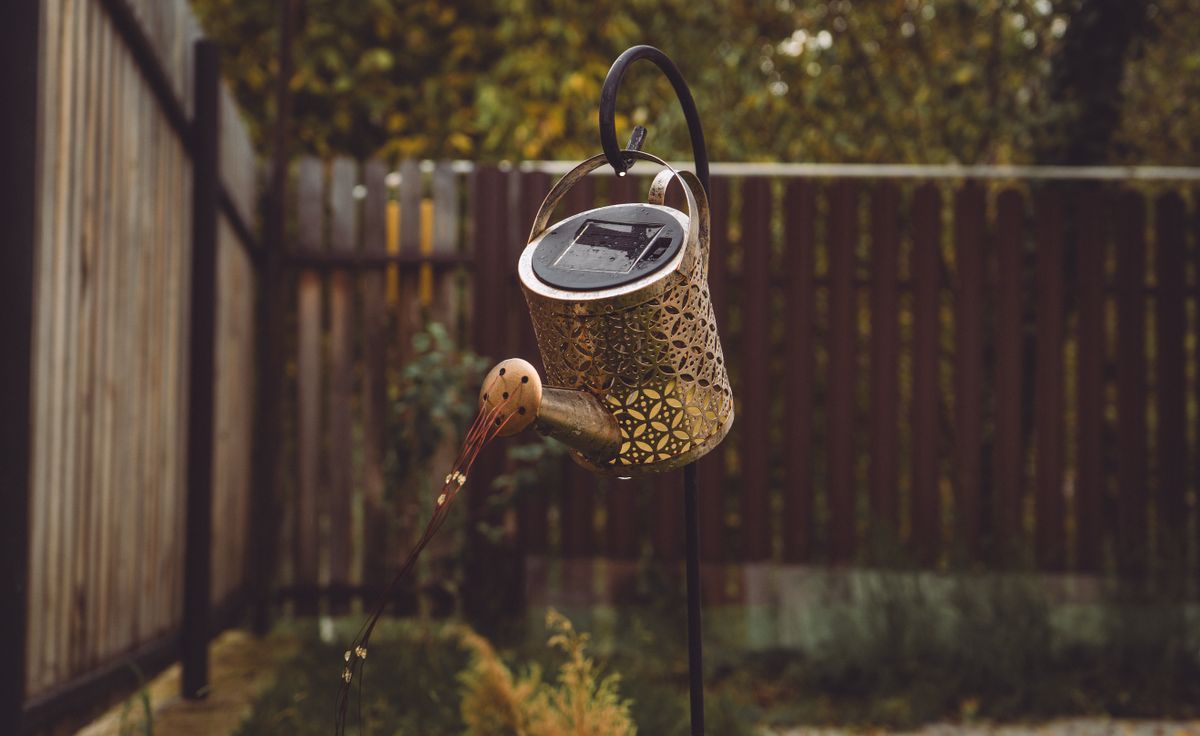
Photo by Gurgenidze G on Pexels
Focus on the quality of light, not just the duration. A spot that gets four hours of intense, direct afternoon sun is far better than a spot that gets eight hours of weak, filtered, or dappled light. You may get a slightly shorter glow time on cloudy days, but your light will perform more reliably night after night.
Do I need to clean my solar flower lights?
Yes, absolutely. Think of the solar panel as the engine. If it's covered in a layer of dust, dirt, or pollen, it can't absorb sunlight effectively. I give mine a quick wipe with a damp cloth about once a month. It takes less than a minute and makes a noticeable difference in charging efficiency.