Monocrystalline vs Polycrystalline Solar Lights for Yards
Monocrystalline vs Polycrystalline Solar Lights for Yards
When evaluating outdoor lighting choices, understanding the internal solar panel construction helps predict reliability and night-long brightness. For detailed lighting design tips, check out [the main guide].
Polycrystalline Solar Panels: Low Cost but Lower Efficiency
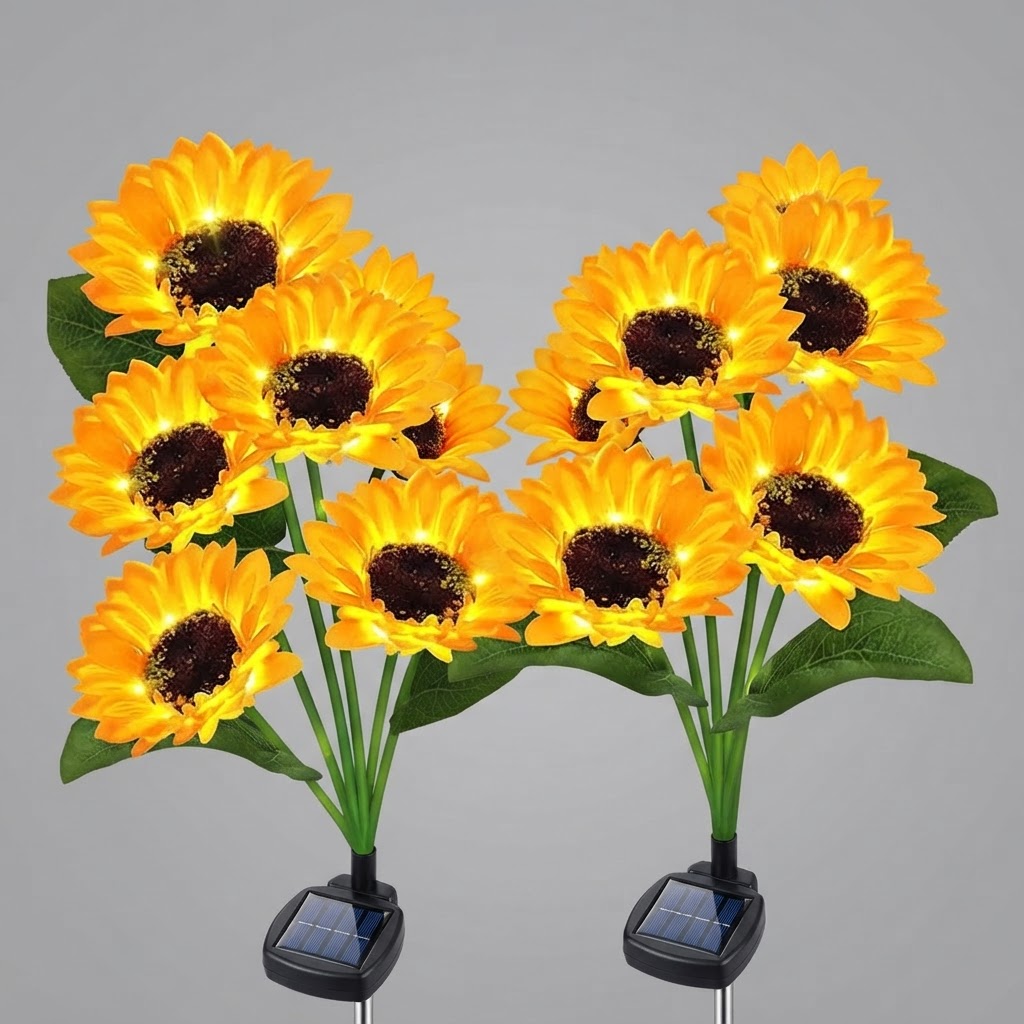
Polycrystalline panels are made from multiple silicon fragments melted together. While inexpensive to manufacture, they offer lower energy conversion efficiency. Fixtures equipped with polycrystalline collectors often require prolonged direct sunlight to fully charge, making them unreliable during cloudy seasons or shorter winter days.
Monocrystalline Solar Panels: Maximum Energy Absorption
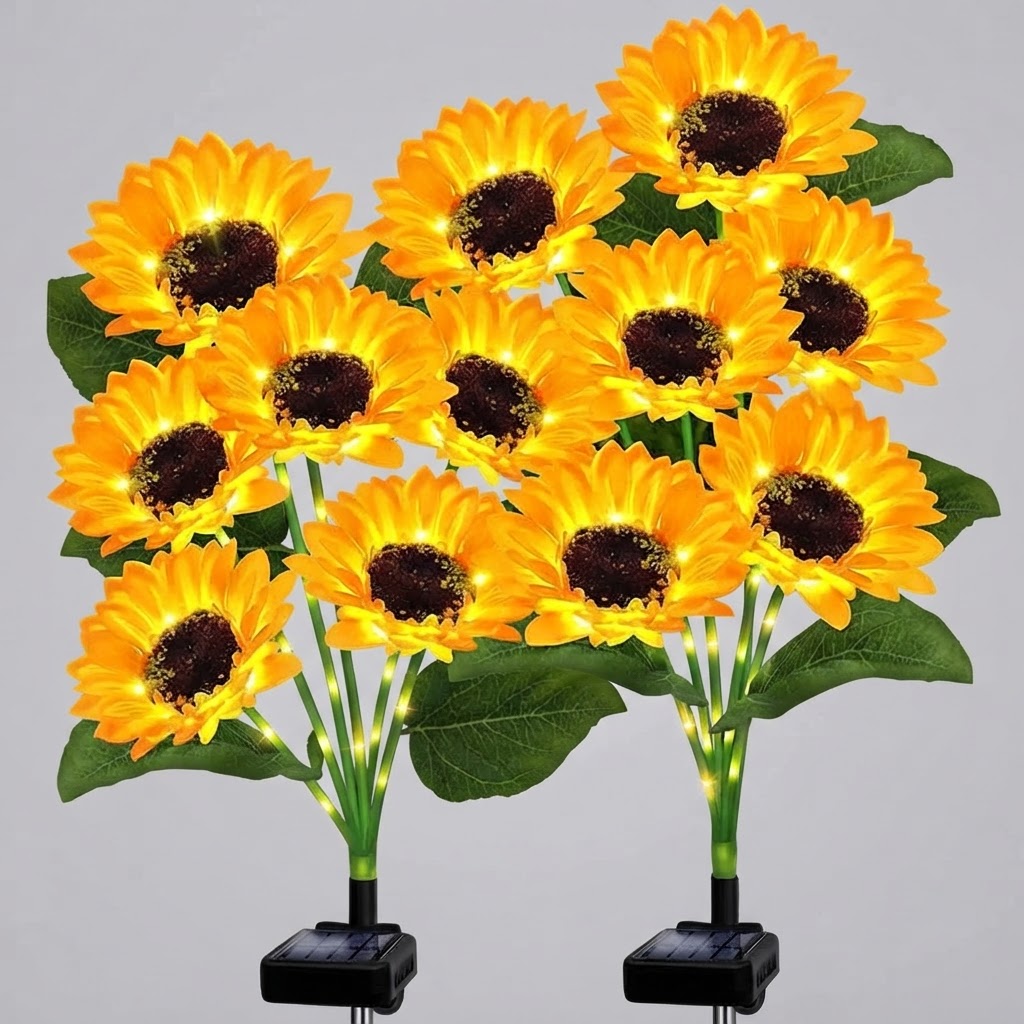
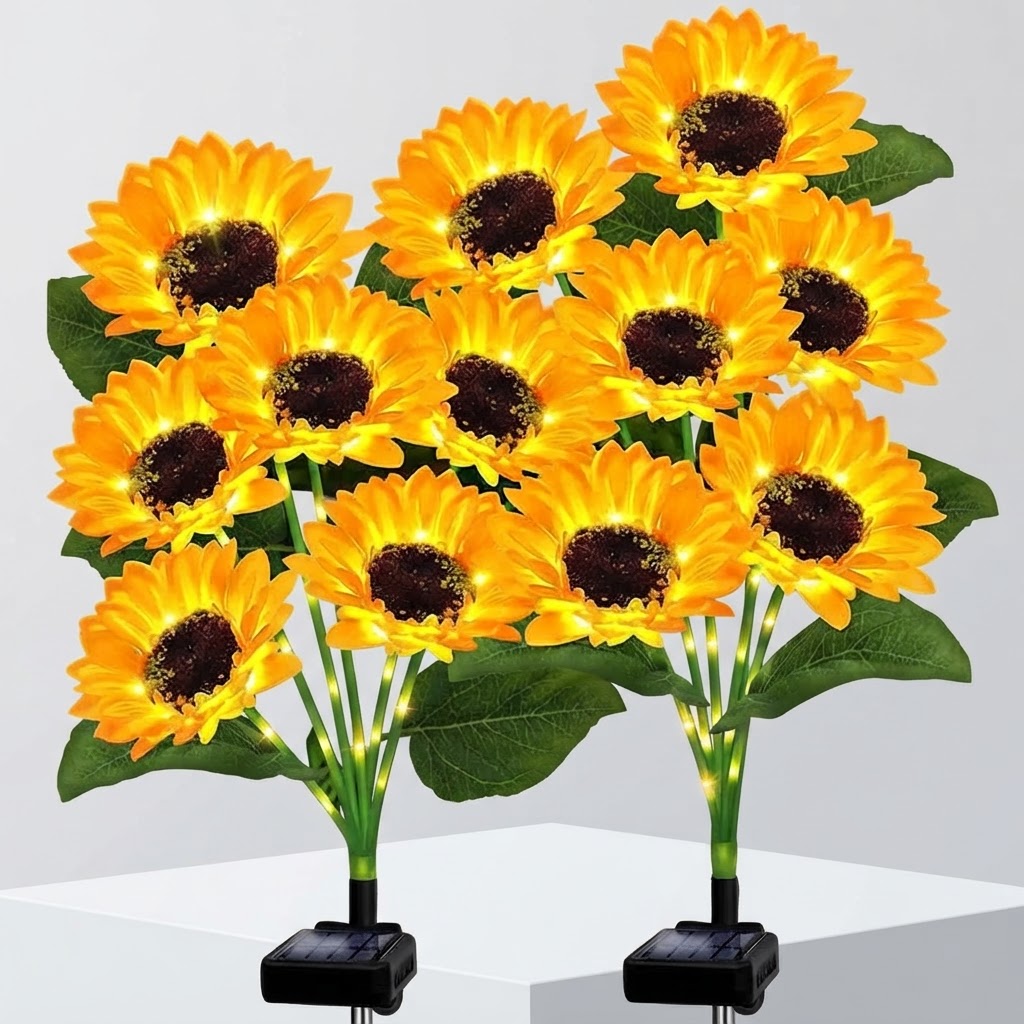
Monocrystalline panels are cut from a single continuous silicon crystal structure. This allows electrons greater freedom of movement, resulting in significantly higher efficiency. Premium garden fixtures, such as Sunflower Solar Lights, feature a 2025 Upgraded Monocrystalline Silicon Solar Panel.
This upgraded collector efficiently converts sunlight into electrical power, fully charging an onboard 600 mAh battery in just 6-8 hours. The result is consistent output capable of delivering over 12 hours of continuous illumination throughout the night.
Performance Comparison: Monocrystalline vs Polycrystalline
- Efficiency Rate: Monocrystalline outperforms polycrystalline by up to 5-7% in real-world ambient absorption.
- Charging Time: Monocrystalline requires only 6-8 hours of daylight versus 8-10+ hours for polycrystalline equivalents.
- Weather Resilience: Modern monocrystalline modules paired with IP65 Waterproof Rating offer superior weather durability in outdoor environments, operating reliably unless subjected to extreme thermal limits beyond 12 Vibrant Sunflowers (2 packs of 6).