
Choosing the Best Outdoor Solar Sunflower Lights
 Sam VasquezBuying Guide Lead
Outdoor solar sunflower lights blend charming garden art with practical, sustainable illumination. They transform walkways and patios into enchanting landscapes without increasing your electricity bill. This guide covers the essential features for selecting high-performance lights that offer beauty and reliability year-round.
Why Choose Solar Sunflower Lights?
Solar sunflower lights provide a unique advantage over traditional landscape lighting. By day, they serve as cheerful decorative accents; at night, they automatically cast a warm glow to enhance ambiance and safety. Powered by the sun, they require no wiring or professional installation. Simply stake them into a sunny spot to begin.
Key Features of High-Quality Outdoor Solar Sunflower Lights
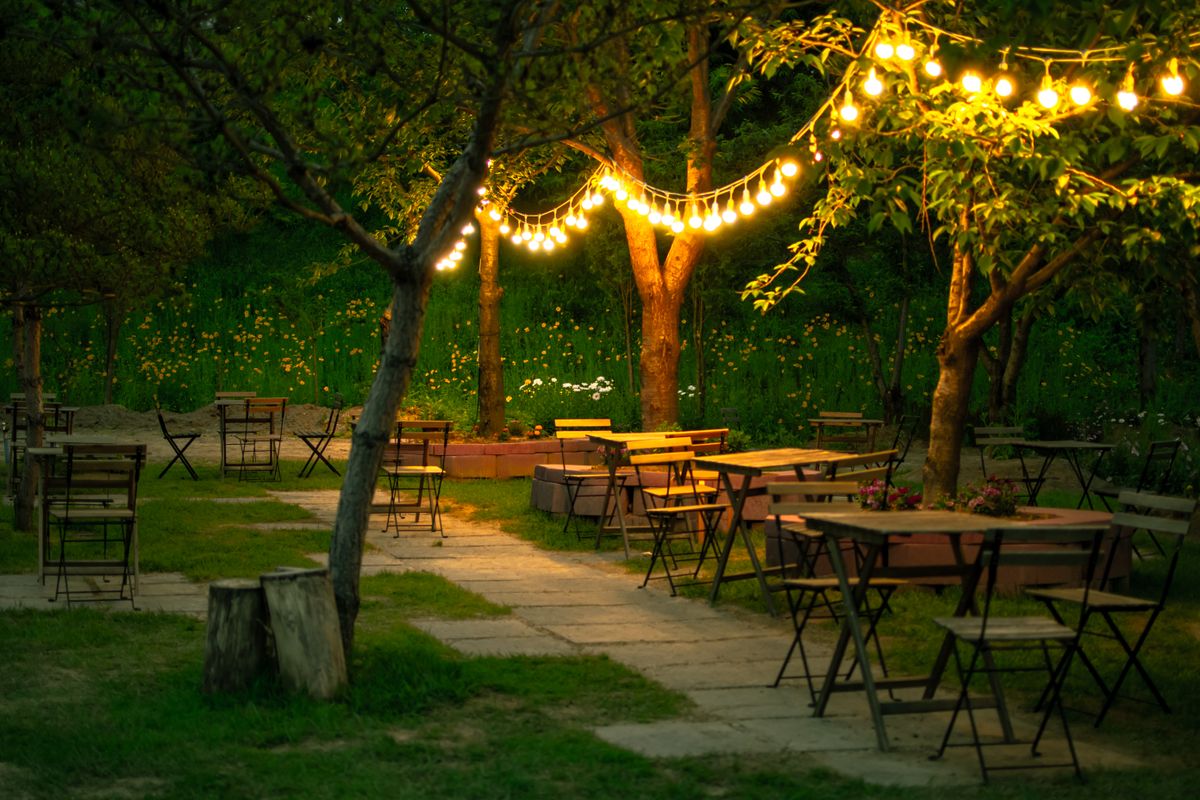
Photo by Constantine Kim on Pexels
Technical specifications define performance and longevity. These details separate premium products like Sunflower Solar Lights from generic alternatives.
1. Material and Weather Resistance
The best lights use high-grade, UV-resistant silk or polymers for petals and leaves to prevent fading. Durability depends on the IP (Ingress Protection) rating. An IP65 waterproof rating is the gold standard, ensuring the fixture is sealed against dust and low-pressure water jets. This allows lights to function through heavy rain, snow, and sprinklers.
2. Solar Panel and Battery Efficiency
Premium models utilize monocrystalline silicon solar panels, offering energy conversion rates up to 20.5%. This monocrystalline panel technology charges efficiently even on overcast days. These panels power high-capacity Ni-MH rechargeable batteries. According to the U.S. Department of Energy, most solar lights require 6 to 8 hours of direct sunlight for a full charge.
3. Lighting Quality and Realism
Aesthetic appeal is paramount. Quality fixtures use warm-toned LEDs for a soft, natural appearance. The realistic-looking sunflower solar lights feature detailed petals and adjustable stems, allowing you to pose the flowers naturally and angle the panel toward the sun.
Placement and Installation for Maximum Glow
Install lights in areas receiving 6–8 hours of direct sunlight; south-facing locations are ideal. Avoid dense trees or porch overhangs, which can reduce charging efficiency by 40%.
For a natural look, cluster lights in groups of three or five at varying heights. The installation process is simple: connect the stake, stem, and flower, then push the stake into the soil with the switch in the “ON” position. Buy the display in phases rather than all at once. A single pack through one full season answers the questions no guide can — whether your soil holds the stakes through storms, whether your sun exposure delivers the advertised runtime, and whether the look earns expansion — before the budget commits to a full border. When expansion time comes, stay within the same model line: petal shape, glow tone, and stake height vary enough between makers that a mixed border reads as mismatched rather than abundant, and product lines do get discontinued, which argues for buying the second and third packs within a season or two of the first rather than years later. The phased approach also spreads the battery clock: stakes bought across two seasons age their batteries across two seasons, so the eventual replacement cycle staggers itself instead of the whole display dimming in the same month. Budget-wise, the honest arithmetic is cost per season of glow — a quality pack amortized over three-plus years of nightly operation lands at pennies per evening, which is the figure worth comparing, not the sticker.
Comparison: Sunflower Solar Lights vs. Generic Alternatives
| Feature | Sunflower Solar Lights | Generic Option A | Generic Option B | | :--- | :--- | :--- | :--- | | Material | UV-Resistant Silk/Poly | Cheap Plastic | Thin Fabric | | Battery Life | 8-12 Hours | 4-6 Hours | 5-7 Hours | | Solar Panel | Monocrystalline | Polycrystalline | Amorphous | | Waterproof | IP65 Rated | Not Rated | IP44 Rated |
Long-Term Maintenance Tips
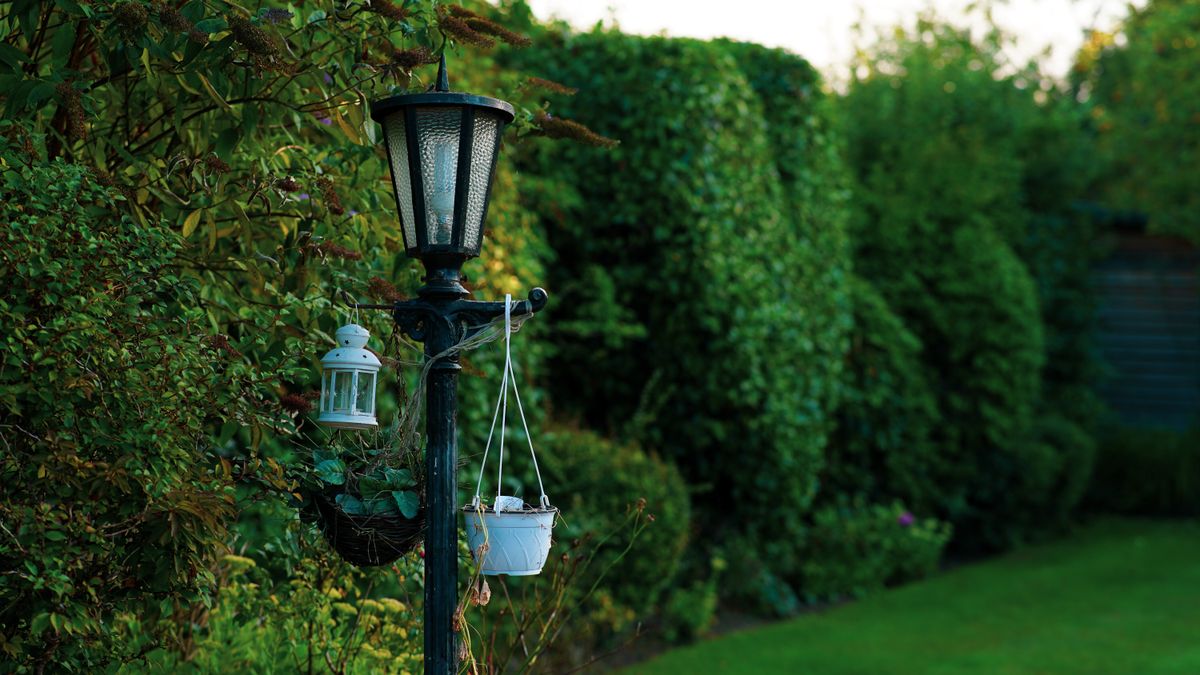
Photo by JINU JOSEPH on Pexels
- Clean the Panels: Wipe panels every few months with a damp cloth to remove dust and pollen.
- Check for Stability: Ensure stakes remain secure after strong winds.
- Replace Batteries: Ni-MH batteries typically last 1.5 to 2 years and are easily replaceable.
- Winter Storage: In extreme climates, store lights indoors to protect components.
Let the Planting Do Half the Work
The most convincing installations treat the solar sunflowers as members of the garden rather than ornaments placed on it. Setting the stakes among real foliage — behind a low border of greenery, rising out of a bed rather than a bare mulch strip — lets the stems disappear the way real flower stems do, and the blooms read as growing instead of installed. The pairing has a seasonal logic worth planning: real sunflowers and most bright annuals peak mid-to-late summer and vanish by frost, which is precisely when the solar versions earn their keep, carrying the floral note through autumn evenings and — in mild climates — right through the months when the beds are otherwise asleep. Gardeners who stage it deliberately put the solar blooms where summer's real color will fade first, so the display hands off rather than doubling up. The one companion to avoid is the fast, tall grower that will shade the panels by August; low mounding plants and ornamental grasses flatter the stakes without ever out-competing their charging.
Are outdoor solar sunflower lights right for you?
- Gardeners: Extend the floral glow long after real blooms fade.
- Eco-Conscious Homeowners: Use 100% renewable energy to reduce your carbon footprint.
- Safety-Minded Families: Brighten dark paths and steps without electrical work.
- DIY Decorators: Create a magical atmosphere for parties or quiet evenings.
Frequently Asked Questions
How long do outdoor solar sunflower lights stay lit at night? High-quality models stay illuminated for 8 to 12 hours after a full day's charge in direct sunlight.
Can solar sunflower lights withstand rain and snow? Yes, IP65-rated models are weather-resistant and handle rain, snow, and humidity effectively. Why do these make such reliable gifts? Solar sunflower lights sit in a rare gift sweet spot: cheerful rather than generic, useful rather than decorative-only, and — critically — zero-burden, since there is no wiring, no app, no subscription, and no skill required of the recipient. That makes them a dependable choice for the gardeners, new homeowners, and older relatives on a list, and a standout for occasions like Mother's Day and housewarmings, where the giver wants something that will be visibly enjoyed rather than politely stored. Two touches raise the gift from good to thoughtful: confirm the pack you choose ships with batteries pre-installed (most do, but the exceptions make a flat first impression), and include a one-line note passing along the essential owner knowledge — full sun for the panel, one full day of charging before the first night's verdict. Recipients who get that sentence enjoy the lights that evening's week; recipients who don't sometimes conclude the gift is dim before it ever had a fair charge — a small card solving a problem the product genuinely doesn't have.